Wallwrap Hoarding - Ganjam - Brahmapur Lochapada Nr-Petrolpump
Brahmapur, Odisha 761001, india, Ganjam, Odisha
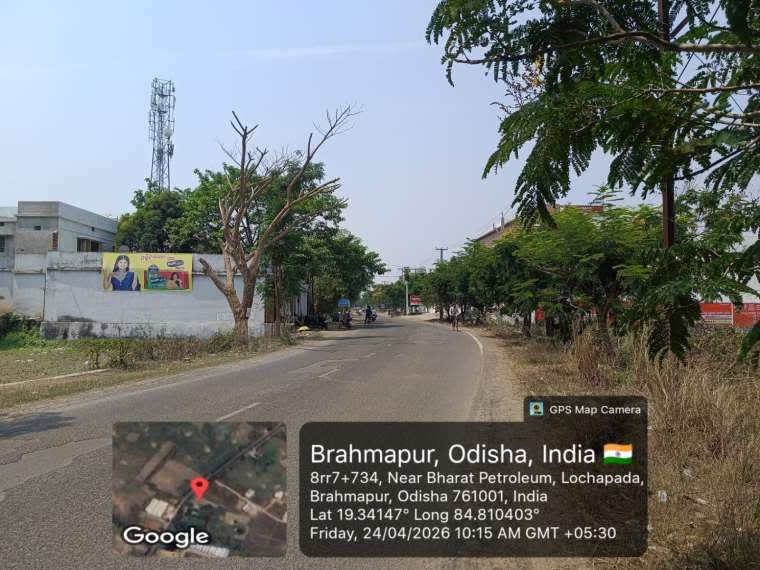
Property Details
Property TypeHoarding
Lit TypeNon-Lit
Size (W x H)35 x 12 Feet
Square Feet420 sq ft
Traffic Data28k+ unique reach/ week
AvailableImmediately
Rate per Sq Ft₹15 / sq ft
Description
 AI Insights by HoardSpace
Overview
This wallwrap hoarding is located in Lochapada, Brahmapur (Ganjam district), near a petrol pump—a strategic position that naturally attracts motorists and pedestrians alike. Brahmapur, also known as Berhampur, is one of Odisha's major commercial hubs and the largest city in southern Odisha. The presence of a petrol pump indicates moderate vehicular movement and recurring local traffic, making this site suitable for targeted local advertising campaigns.
Location Highlights
Brahmapur serves as a vital trade and educational center in Ganjam district. The Lochapada area is primarily a residential-commercial locality with proximity to local markets, educational institutions, and residential neighborhoods. The petrol pump location ensures consistent visibility among daily commuters, auto-rickshaw drivers, two-wheeler riders, and pedestrians accessing fuel services. The area experiences steady local movement throughout the day, with a mix of residents, students, shoppers, and working professionals.
Traffic & Footfall Insights
Estimated Daily Vehicle Traffic: Approximate estimates suggest 8,000–18,000 vehicles/day in this locality, typical for a residential-commercial road near a petrol pump in a tier-2 city like Brahmapur.
Estimated Daily Footfall: The surrounding area may experience 2,000–6,000 pedestrians/day, driven by nearby residential colonies, small retail outlets, and the petrol pump itself.
Peak Activity Periods: The locality is likely to witness higher movement during 7:30 AM–9:30 AM (morning commute), 12:00 PM–2:00 PM (midday activity), and 5:00 PM–8:00 PM (evening return traffic).
Primary Audience: Local residents, commuters, petrol pump visitors, two-wheeler riders, auto-rickshaw drivers, students, and small business owners.
Advertising Potential: This site offers consistent, repeat visibility among a highly localized audience. Reliable public measurements are unavailable; the figures above are locality-based estimates.
Hoarding Specifications
- Dimensions: 35 ft (width) × 12 ft (height)
- Total Display Area: 420 sq. ft.
- Monthly Rental Price: ₹6,300
- Property Type: Hoarding (Wallwrap)
- Lighting: Non-Lit
- Visibility: Ground-level visibility with direct exposure to passing vehicles and pedestrians
- Suitable Advertisement Size: Full wallwrap creative recommended for maximum impact
Best Suited For
- Local retail brands and FMCG products
- Regional consumer services (telecom, financial services, insurance)
- Educational institutions and coaching centers
- Healthcare providers and clinics
- Automobile dealerships and service centers
- Real estate projects and housing societies
- Hyperlocal consumer goods and electronics
Why Choose This Hoarding?
- Petrol Pump Proximity: Naturally attracts vehicle owners with high dwell time during refueling
- Affordable Local Reach: Cost-effective monthly rental makes it ideal for sustained, long-term campaigns
- Repeat Visibility: Daily commuters and local residents ensure consistent brand recall
- Residential-Commercial Mix: Reaches both household decision-makers and working professionals
- Large Display Area: 420 sq. ft. wallwrap format allows creative flexibility and bold messaging
Campaign Suggestions
- Launch campaigns for local retail stores, supermarkets, or consumer durables targeting neighborhood families
- Promote regional banking services, microfinance, or insurance products to working-class audiences
- Advertise coaching centers, skill development programs, or educational institutes for students
- Showcase automobile accessories, lubricants, or vehicle servicing offers to petrol pump visitors
- Run awareness drives for healthcare services, diagnostic centers, or government welfare schemes
Important Note
The traffic, footfall, and reach estimates provided are approximate projections for the surrounding Lochapada locality in Brahmapur. These are not direct measurements of the hoarding itself. Actual exposure may vary based on seasonal factors, local events, and evolving urban patterns.
Select Campaign Dates
Start Date
Months
End Date (Calculated)
Pricing Details
Monthly Rent Price₹6,300
₹5,040
Mounting Charges (₹5/sqft)₹2,100
Printing and mounting are one-time charges. For subsequent months, only the rent will be applicable.
Total CostDuration: 1.0 Months
₹13,440+ GST
Location Map
Open in Google MapsEstimated Audience Demographics
AI Insights by HoardSpaceEstimated composition of the audience near this site, inferred from its location and the surrounding area.
Gender
- Male55%
- Female45%
Age groups
- 13–1712%
- 18–2422%
- 25–3428%
- 35–4420%
- 45–5412%
- 55+6%
Most spoken languages
Shares overlap — people speak more than one language.
- Odia~85%
- Telugu~35%
- Hindi~25%
AI-generated estimates based on available location and audience signals. Not verified audience measurements. Estimated 29 Aug 2026.
Recommended Hoardings
Other listings near this location.