Unipole - Railway Station
Railway Station, Satnali, Haryana
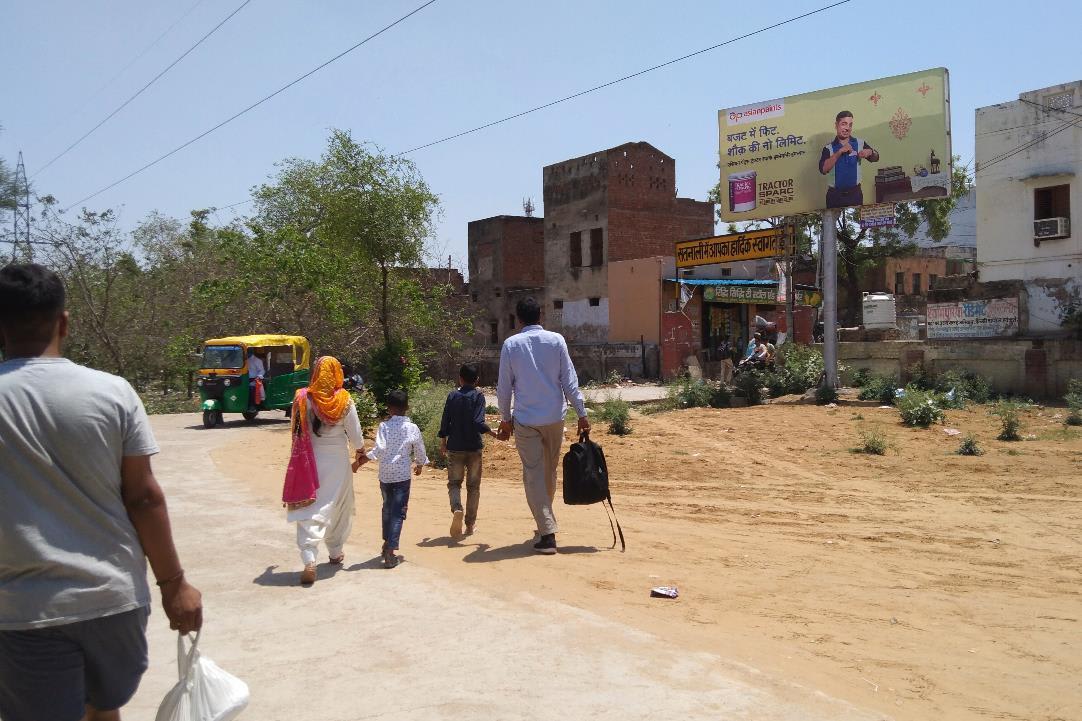
Property Details
Property TypeUnipole
Lit TypeNon-Lit
Size (W x H)20 x 10 Feet
Square Feet200 sq ft
Traffic Data18k+ unique reach/ week
AvailableImmediately
Rate per Sq Ft₹420 / sq ft
Description
 AI Insights by HoardSpace
Overview
This Unipole is strategically positioned at Satnali Railway Station in Haryana, offering advertisers access to a captive audience of daily commuters, passengers, and local residents. Railway stations serve as critical transit hubs, making this location valuable for reaching travelers from surrounding villages and towns who depend on rail connectivity for work, education, and commerce.
Location Highlights
Satnali is a town in the Mahendragarh district of Haryana, situated along the railway corridor connecting rural and semi-urban areas. The station serves as a key transit point for passengers traveling to larger cities like Rewari, Delhi, and Jaipur. The surrounding area comprises a mix of residential neighborhoods, small commercial establishments, educational institutions, and agricultural service centers. The Unipole's placement at the railway station ensures visibility among a diverse demographic, including students, working professionals, farmers, traders, and occasional travelers.
Traffic & Footfall Insights
As a railway station in a semi-urban town, approximate estimates suggest the following patterns:
Estimated Daily Vehicle Traffic: The station approach road typically experiences 2,500–6,000 vehicles/day, including auto-rickshaws, motorcycles, buses, and private vehicles used by passengers and station visitors.
Estimated Daily Footfall: Railway stations generate significant pedestrian movement. Estimated footfall ranges from 800–2,500 people/day, comprising passengers boarding and alighting trains, people seeing off or receiving travelers, and station staff.
Peak Activity Periods: Morning hours (6:00 AM–9:00 AM) and evening hours (5:00 PM–8:00 PM) coincide with train schedules and commuter movement. Market days and weekends may see increased activity.
Primary Audience: Daily commuters, inter-city travelers, students traveling to educational institutions, families, local traders, and agricultural workers.
Advertising Potential: The captive nature of railway station audiences provides repeated exposure. Passengers waiting for trains or moving through the station premises are more likely to notice and engage with outdoor advertisements.
Unipole Specifications
- Dimensions: 20 ft (width) × 10 ft (height) = 200 sq ft display area
- Monthly Price: ₹84,000
- Property Type: Unipole
- Lighting: Non-Lit
- Visibility: High visibility among railway passengers and station visitors
- Suitable Advertisement Size: Large-format graphics optimized for viewing from short to medium distances
Best Suited For
- Regional FMCG brands targeting rural and semi-urban markets
- Banking and financial services promoting agricultural loans, savings schemes, and insurance
- Educational institutions and coaching centers
- Healthcare services and local hospitals
- Mobile network providers and digital payment platforms
- Government schemes and public awareness campaigns
- Transportation services and travel-related businesses
Why Choose This Unipole?
- Direct access to daily commuters and inter-city travelers from multiple villages and towns
- Captive audience with dwell time during train wait periods
- Strategic railway station location ensures repeated brand exposure among regular passengers
- Cost-effective advertising for reaching semi-urban and rural audiences in Mahendragarh district
- Large 200 sq ft display area provides excellent visual impact
- Suitable for long-term campaigns targeting consistent commuter demographics
Campaign Suggestions
- Launch regional products or services with bold, easy-to-read messaging
- Promote government welfare schemes, agricultural credit, and crop insurance
- Advertise educational courses, skill development programs, and entrance exam coaching
- Highlight healthcare facilities, diagnostic centers, and medical services available in nearby towns
- Use QR codes or shortcodes for immediate mobile engagement by tech-savvy commuters
Important Note
The estimated daily vehicle traffic, footfall, and weekly unique reach figures provided are approximate estimates based on the locality's characteristics and typical patterns observed at semi-urban railway stations. These are not measured statistics specific to this Unipole. Actual audience exposure may vary based on train schedules, seasonal factors, and local events.
Select Campaign Dates
Start Date
Months
End Date (Calculated)
Pricing Details
Monthly Rent Price₹84,000
₹2,400
Mounting Charges (₹5/sqft)₹1,000
Printing and mounting are one-time charges. For subsequent months, only the rent will be applicable.
Total CostDuration: 1.0 Months
₹87,400+ GST
Location Map
Open in Google MapsRecommended Hoardings
Other listings near this location.