Hoarding - Perumalpuram Towards Kanyakumari
Perumalpuram Towards Kanyakumari, Kanyakumari, Tamilnadu
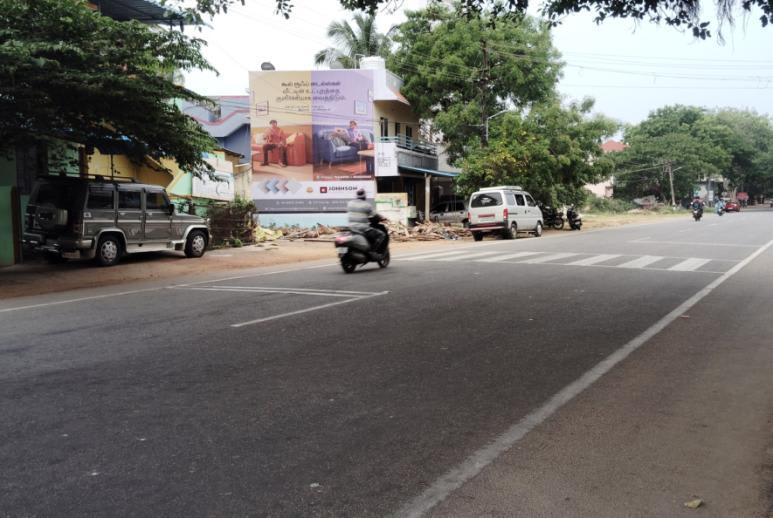
Property Details
Property TypeHoarding
Lit TypeNon-Lit
Size (W x H)17 x 20 Feet
Square Feet340 sq ft
Traffic Data68k+ unique reach/ week
AvailableImmediately
Rate per Sq Ft₹163 / sq ft
Description
 AI Insights by HoardSpace
Overview
This hoarding is strategically positioned in Perumalpuram on the route towards Kanyakumari, one of India's most visited pilgrimage and tourism destinations. The location benefits from consistent tourist and local traffic moving towards the southernmost tip of mainland India, home to the iconic Vivekananda Rock Memorial and Thiruvalluvar Statue. This placement offers brands visibility along a key approach corridor in Kanyakumari district.
Location Highlights
Perumalpuram serves as an important junction area on the approach route to Kanyakumari town. The locality experiences a diverse mix of tourist vehicles, pilgrimage groups, and local commuters. Being positioned on a route towards Kanyakumari—a major religious and tourist hub—ensures continuous exposure to both domestic and interstate travelers year-round. The area typically features moderate commercial activity with hotels, restaurants, and service establishments catering to the steady tourist influx.
Traffic & Footfall Insights
Estimated Daily Vehicle Traffic: Approximate estimates suggest 25,000–45,000 vehicles/day, with significant seasonal variations during peak tourist months (October–March) and festival periods.
Estimated Daily Footfall: Based on the area's commercial and tourism profile, pedestrian movement is estimated at 3,000–8,000/day, primarily tourists and local shoppers.
Peak Activity Periods: Morning hours (7:00 AM–11:00 AM) and late afternoon (3:00 PM–7:00 PM) typically see heightened traffic as tourists travel to Kanyakumari for sunrise and sunset viewing.
Primary Audience: Domestic and interstate tourists, pilgrims, families on vacation, local residents, and commercial vehicle operators.
Advertising Potential: The route's tourism-centric traffic provides excellent reach for hospitality brands, religious services, travel agencies, regional attractions, restaurants, retail chains, and consumer products targeting travelers.
Hoarding Specifications
- Dimensions: 17 ft (width) × 20 ft (height) — 340 sq ft display area
- Monthly Price: ₹55,400
- Property Type: Hoarding
- Lighting: Non-Lit (daylight visibility only)
- Visibility: Clear sightlines for approaching vehicles
- Suitable Advertisement Size: Full hoarding coverage recommended for maximum impact
Best Suited For
- Hotels, resorts, and guesthouses
- Restaurants and food outlets
- Tourist attractions and pilgrimage sites
- Travel agencies and tour operators
- Retail and FMCG brands
- Banking and financial services
- Automobile showrooms and service centers
- Healthcare and wellness services
Why Choose This Hoarding?
- Tourist Route Advantage: Positioned on the approach to a major national tourism and pilgrimage destination
- Diverse Audience Mix: Reaches interstate travelers, local residents, and commercial traffic
- Seasonal Opportunity: Benefits from peak tourist seasons with increased traffic volumes
- Cost-Effective Visibility: Competitive monthly pricing for tourism corridor exposure
- Extended Dwell Time: Travelers often move at moderate speeds, allowing better ad comprehension
- Year-Round Relevance: Kanyakumari attracts visitors throughout the year, ensuring consistent impressions
Campaign Suggestions
- Promote hotel packages with QR codes for instant booking and special tourist rates
- Advertise local restaurants featuring regional Tamil Nadu and Kerala cuisine specialties
- Highlight nearby attractions, temples, and cultural experiences with clear directional information
- Launch regional product brands targeting travelers from multiple states
- Display safety and travel advisory messages for pilgrim groups and families
Important Note
The traffic and footfall figures provided are approximate estimates for the surrounding Perumalpuram locality based on its tourism profile and geographical position. These are not measured statistics of the hoarding itself. The weekly unique reach figure represents an estimated number of unique individuals likely to notice this hoarding during one week, accounting for commuter patterns and not counting repeated exposures. Reliable public measurements are unavailable for this specific location.
Select Campaign Dates
Start Date
Months
End Date (Calculated)
Pricing Details
Monthly Rent Price₹55,400
₹4,080
Mounting Charges (₹5/sqft)₹1,700
Printing and mounting are one-time charges. For subsequent months, only the rent will be applicable.
Total CostDuration: 1.0 Months
₹61,180+ GST
Location Map
Open in Google MapsRecommended Hoardings
Other listings near this location.